

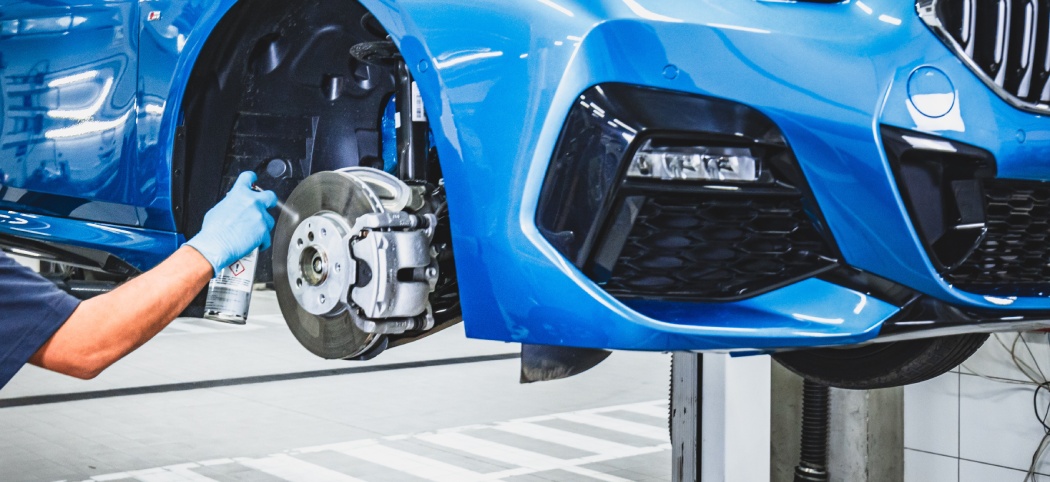
Rotor Resurfacing vs. Rotor Replacement near Nashua, NH
Brake rotors work with brake pads and calipers to slow your vehicle by creating controlled friction at each wheel. Over time, that friction can leave grooves, heat spots, rust scale, thickness variation, or a slight wobble that becomes brake pedal pulsation. Rotor resurfacing, also called machining or turning rotors, removes a thin layer of metal to restore a smoother, flatter braking surface. Rotor replacement removes the worn rotor and installs a new one built to the correct dimensions. At Michaud Mitsubishi, our certified service technicians inspect brake components with the same practical goal every time: helping your vehicle stop smoothly, predictably, and safely. For drivers near Nashua, NH, daily travel on Route 3, the Everett Turnpike, Amherst Street, and local neighborhood roads can involve frequent braking, highway exits, and stop-and-go traffic. Those habits can accelerate rotor wear, especially when brake pads are allowed to wear too far or when corrosion forms around the rotor hat and edges. The right choice depends on rotor thickness, surface condition, runout, heat damage, and how the vehicle feels during braking. A rotor that looks worn is not automatically unsafe, and a rotor that looks acceptable may still be below specification. That is why measurement matters more than guesswork. A proper brake inspection compares actual rotor condition to manufacturer limits before deciding whether machining or replacement is the better repair.
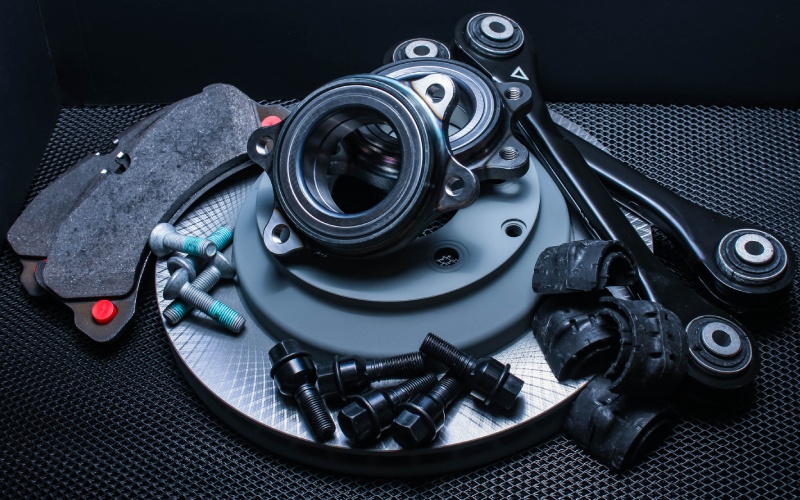
When Rotors Can Be Resurfaced Safely
- Enough remaining thickness: The rotor must measure above the manufacturer minimum thickness after machining, not just before machining begins.
- Light surface wear: Minor grooves, pad deposits, light scoring, or mild surface rust can often be corrected if the rotor is structurally sound.
- No serious heat damage: Blue discoloration, hard spots, cracking, or heavy glazing can reduce braking consistency and may point toward replacement.
- Acceptable runout: If lateral runout or thickness variation can be corrected within specification, machining may restore smoother pedal feel.
- No structural concerns: Rotors with cracks, severe corrosion, damaged cooling vanes, or heavily worn edges should not be machined.
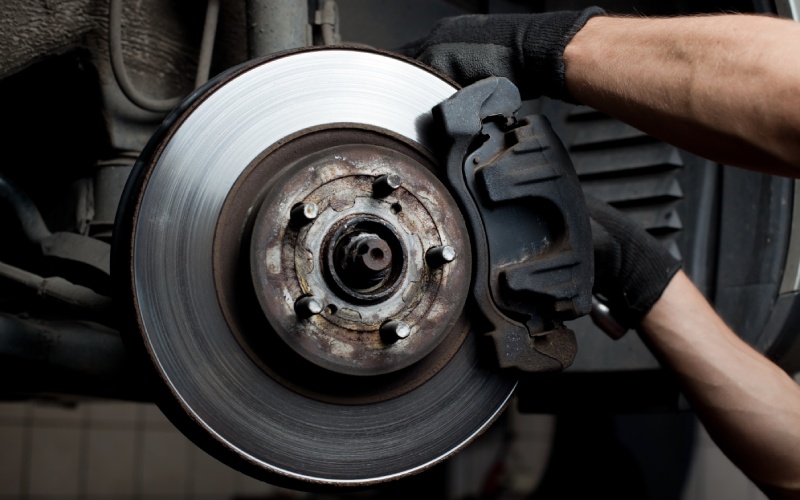
Resurfacing is most useful when the rotor has a correctable surface problem and enough usable metal remains to support reliable braking. A technician first measures rotor thickness with a micrometer at several points, checks for uneven wear, and looks for signs of overheating or corrosion. If the rotor qualifies, machining creates a fresh friction surface so new brake pads can bed in evenly. This can reduce squeaking, vibration, and pedal pulsation caused by uneven pad transfer or minor rotor distortion. However, machining is not a way to extend a rotor beyond safe limits. Removing too much material reduces heat capacity, which can make brakes more prone to fade under repeated stops. If your vehicle has had rotors machined before, the available margin may already be limited. Resurfacing can be a smart repair, but only when measurements support it.
Minimum Thickness Limits and Why Rotor Measurements Matter
Every brake rotor has a minimum thickness specification, often called discard thickness or minimum machining thickness, set by the vehicle manufacturer. This number may be stamped on the rotor hat or edge, listed in service information, or verified through factory specifications. The limit is not a suggestion. It tells the technician how much metal must remain for the rotor to absorb heat, maintain strength, and work properly with the caliper and brake pads. A rotor can be smooth and still be unsafe if it falls below the required measurement. A rotor can also measure above the discard limit before service but fall below the limit after machining, which means resurfacing would not be appropriate. That is why the projected post-machining thickness is part of the decision. Our service center uses advanced diagnostic equipment and trained professionals to evaluate braking concerns, and Michaud Mitsubishi maintains access to genuine OEM parts along with other quality parts options when replacement is the correct path. For drivers near Nashua, NH, this measurement-based approach is especially important because commuting, hills, local errands, and highway braking can create uneven rotor wear over time. Minimum thickness also affects pedal feel. A rotor with too little mass can heat quickly, cool unevenly, and transfer vibration through the steering wheel or brake pedal. Correct thickness helps preserve stopping power, brake balance, and long-term pad performance.
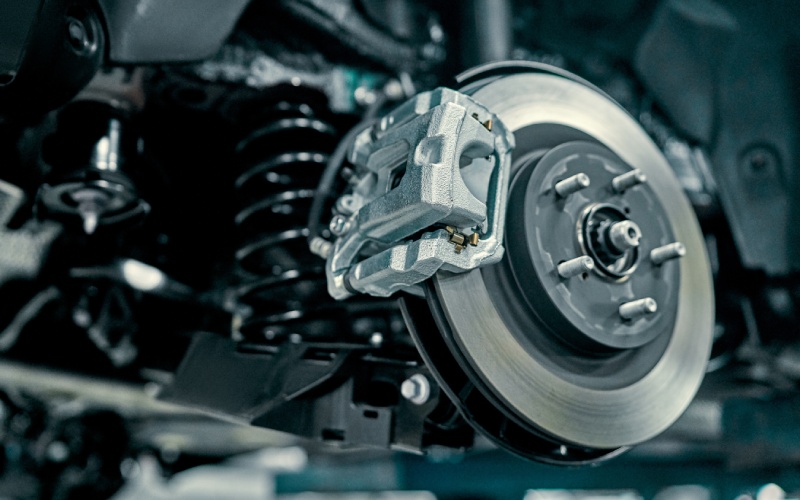
Cost Comparison: Resurfacing vs. Replacement and Braking Results
- Resurfacing cost factors: Machining may reduce parts cost, but labor time, rotor condition, and vehicle design affect overall value.
- Replacement cost factors: New rotors add parts cost, yet installation may be more straightforward when existing rotors are too thin or damaged.
- Pad pairing: New brake pads should have a clean, compatible rotor surface, whether the rotor is machined or replaced.
- Long-term value: Replacement can be more economical when resurfacing leaves little remaining rotor life.
- Brake performance: Properly serviced rotors improve pad contact, reduce vibration, support heat control, and help deliver confident stops.
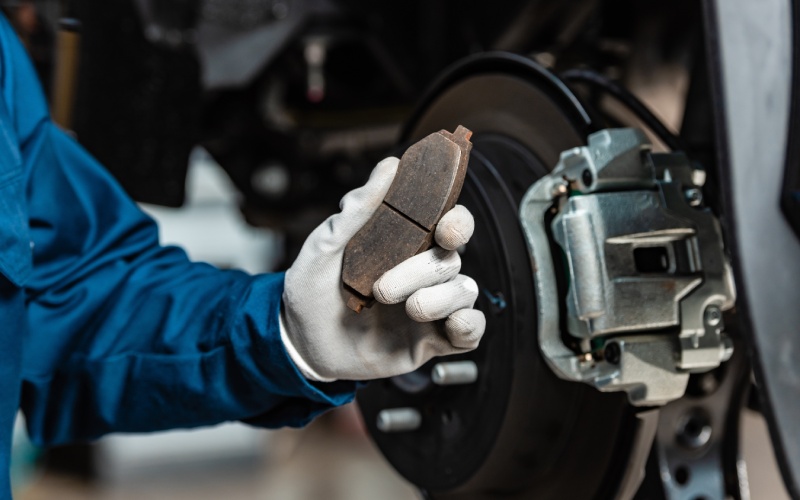
Resurfacing is often considered when the rotor is still within specification and the surface only needs correction. Replacement is the better choice when rotors are below minimum thickness, deeply scored, warped beyond correction, cracked, heavily rusted, or heat damaged. In modern vehicles, rotor replacement can sometimes be close in overall value to machining because many rotors are lighter than older designs and have less extra material available for cutting. The best cost comparison is not simply "which service costs less today." It is which service provides the safest, quietest, and most durable braking result for your specific vehicle. If rotors are resurfaced properly, braking can feel smooth and consistent because pads contact a uniform surface. If rotors are replaced, your vehicle gains full rotor thickness, stronger heat capacity, and a fresh surface for pad bedding. Either approach can restore braking confidence when performed correctly. The wrong approach, however, can cause noise, pulsation, uneven pad wear, and reduced brake life.
FAQ
Can rotors always be resurfaced instead of replaced?
No. Rotors can only be resurfaced if enough thickness remains after machining and no serious structural or heat damage is present. If a rotor is cracked, below specification, heavily corroded, or deeply scored, replacement is the safer repair.
How do I know if my rotors are too thin?
A technician measures rotor thickness with a micrometer and compares the result to manufacturer specifications. Visual inspection alone is not enough because a rotor may look acceptable while measuring below the required limit.
What does brake pedal pulsation usually mean?
Pulsation often points to rotor thickness variation, lateral runout, uneven pad deposits, or heat-related distortion. A complete brake inspection can determine whether machining will correct the issue or whether replacement is needed.
Should brake pads be replaced when rotors are serviced?
In many cases, yes. New pads need a clean, even rotor surface to bed in correctly. Worn pads on fresh rotors, or new pads on damaged rotors, can create noise, vibration, and shortened brake life.
Is rotor replacement better for stopping power?
Replacement can improve braking when existing rotors are thin, damaged, or unable to dissipate heat properly. Resurfacing can also restore excellent braking if the rotor remains safely within specification and only needs surface correction.
Does Michaud Mitsubishi service brakes for more than Mitsubishi models?
Yes. Our service information notes that we service all makes and models, and our team can inspect brake pads, rotors, calipers, and related components for a wide range of vehicles.
Schedule Rotor and Brake Service With Our Team
If your brakes squeal, grind, pulse, shake the steering wheel, or require more pedal effort than usual, do not wait for the problem to become more expensive. Brake concerns rarely improve on a vehicle without inspection, and worn rotors can shorten pad life, increase stopping distance, and reduce confidence during everyday driving. A professional brake inspection checks pad thickness, rotor thickness, caliper operation, brake hardware, fluid condition, and visible wear patterns. From there, the correct recommendation becomes clear: machine the rotors if the surface can be restored safely, or replace the rotors if thickness, heat damage, corrosion, or structural wear makes machining unsuitable. Our service center is built around expert certified technicians, genuine parts, advanced diagnostic equipment, and convenient online scheduling. We also maintain a comprehensive parts department with high-quality OEM components and trained professionals who can help identify the right brake parts for your vehicle. If you live or commute near Nashua, NH, our Danvers service center is ready to help you understand the best path for smoother, safer braking. Schedule brake service with Michaud Mitsubishi today, and let our team inspect your rotors, explain the findings clearly, and recommend the repair that fits your vehicle's condition.
Make an Inquiry
* Indicates a required field
