

Ceramic vs. Semi-Metallic Brake Pads near Lynn, MA: Stopping Power, Noise, Dust, Lifespan, and Best Fit
 View Inventory
Ceramic vs. Semi-Metallic Brake Pads near Lynn, MA: Stopping Power, Noise, Dust, Lifespan, and Best Fit
Choosing between ceramic and semi-metallic brake pads is one of the most common questions drivers ask when brake service is due, and the right answer depends on how, where, and what you drive. Ceramic pads are typically known for smooth operation, low noise, and reduced visible brake dust, making them a popular choice for many daily drivers. Semi-metallic pads use a higher concentration of metal fibers, which can deliver strong bite, excellent heat transfer, and confident braking under heavier loads or more demanding use. At Michaud Mitsubishi, our service center supports brake repair, brake adjustment, and related maintenance with certified technicians, advanced diagnostic equipment, and access to genuine parts. For drivers commuting between Lynn, Danvers, Peabody, Salem, and Route 128, brake pads need to handle frequent stops, traffic, parking-lot maneuvering, and steady highway driving. Both ceramic and semi-metallic pads can be excellent when matched correctly to the vehicle and driving style. The goal is not simply picking the "best" material in general, but selecting pads that balance stopping feel, rotor compatibility, quietness, dust control, and long-term value. A professional inspection can also determine whether pads alone are enough or whether rotors, calipers, hardware, or brake fluid need attention.
Stopping Power: How Ceramic and Semi-Metallic Pads Feel on the Road
- Ceramic pads: Smooth, predictable pedal feel works well for daily commuting, family driving, and most compact SUVs or crossovers.
- Semi-metallic pads: Stronger initial bite can suit heavier vehicles, frequent highway merging, towing preparation, or more spirited driving.
- Heat control: Semi-metallic pads usually transfer heat more effectively, which helps during repeated braking or higher-demand driving.
- Cold response: Ceramic pads often feel refined in everyday use, while certain semi-metallic compounds may need slight warm-up for best feel.
- Rotor interaction: Ceramic pads are often gentler, while semi-metallic pads may create more rotor wear depending on compound and driving habits.
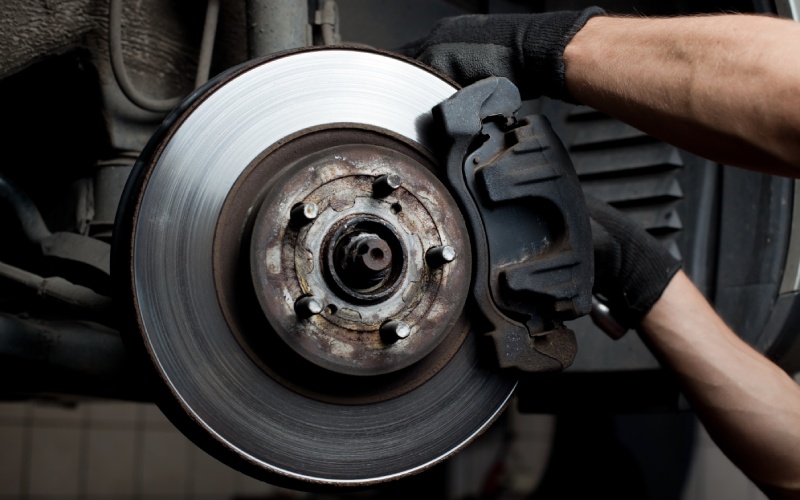
Stopping power is about more than the pad material alone. Tires, rotor condition, brake fluid quality, suspension, vehicle weight, and anti-lock braking systems all influence stopping distance. For many drivers, ceramic pads provide all the braking confidence needed with a polished, quiet feel. For drivers carrying cargo, climbing grades, driving a larger SUV, or making repeated hard stops, semi-metallic pads can provide extra thermal resilience. If your pedal pulses, squeals, feels soft, or the vehicle takes longer to stop, pad choice is only part of the diagnosis. A full brake inspection helps confirm the safest repair path.
Noise, Comfort, and Daily Driving Expectations
Brake noise is one of the biggest reasons drivers compare ceramic and semi-metallic pads. Ceramic pads are generally the quieter option because the compound is engineered for smooth contact with the rotor and produces vibration at frequencies that are less noticeable to most people. That makes ceramic pads a strong fit for commuting, school drop-offs, neighborhood driving, and errands around busy local roads. Semi-metallic pads may create more audible squeal, scrape, or roughness, especially if hardware is worn, rotors are glazed, or the pads are not properly bedded in. This does not always mean something is wrong, but persistent noise should be checked. Drivers near Lynn, MA often deal with frequent stop-and-go traffic on roads such as the Lynnway, Western Avenue, and routes leading toward Danvers or Boston, so brake comfort matters during daily use. Michaud Mitsubishi technicians can inspect pads, rotors, shims, caliper slides, and brake hardware to help reduce unwanted noise. Proper installation is critical because even a premium pad can become noisy if the rotor surface is uneven, hardware is reused when replacement is needed, or lubrication points are overlooked. Ceramic pads typically win for cabin quietness, while semi-metallic pads trade some refinement for added performance capability.
Brake Dust, Wheel Cleanliness, and Long-Term Maintenance
- Ceramic brake dust: Usually lighter in color and less likely to cling visibly to wheels, which helps maintain a cleaner appearance.
- Semi-metallic brake dust: Often darker and more noticeable, especially on bright alloy wheels or vehicles driven in heavy traffic.
- Wheel care: Regular washing helps prevent dust buildup, but pad choice can reduce how often wheels look dirty.
- System health: Excess dust, grinding sounds, or a burning smell can point to worn pads, sticking calipers, or rotor concerns.
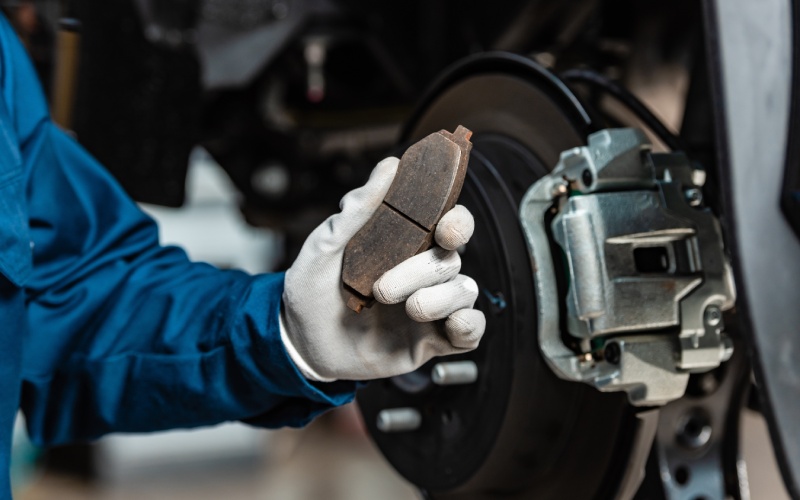
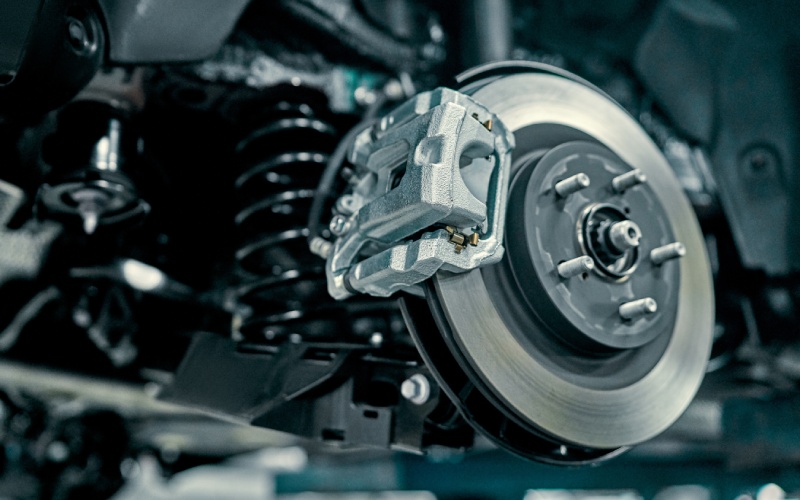
Brake dust is normal because friction material wears down every time you slow the vehicle. Ceramic pads tend to produce finer, lighter dust, which is one reason many drivers choose ceramic for crossovers, sedans, and daily-use SUVs. Semi-metallic pads can leave more visible residue because the compound includes metal content that sheds as braking occurs. Dust level should not be the only deciding factor, however. A pad that stays cleaner but does not match your driving demands may not be ideal. Likewise, a dusty semi-metallic pad may be worthwhile if you prioritize stronger bite and heat resistance. During service, our team can also check whether uneven dust on one wheel indicates a caliper or slide issue.
FAQ: Ceramic vs. Semi-Metallic Brake Pads
Which brake pad type lasts longer?
Ceramic pads often last longer in normal commuting because the compound is stable, smooth, and less aggressive on rotors. Semi-metallic pads can also last well, but life span depends heavily on heat, vehicle weight, braking habits, and rotor condition. Hard braking, short trips, and heavy loads can shorten the life of either pad type.
Are ceramic brake pads always better?
No. Ceramic pads are excellent for quiet operation, low dust, and comfortable daily driving, but semi-metallic pads may be better for heavier vehicles or more demanding braking. The best choice is based on manufacturer recommendations, vehicle use, and the condition of the full brake system.
Can I switch from semi-metallic to ceramic pads?
Often, yes, but compatibility matters. Rotor condition, brake design, driving style, and vehicle specifications should be reviewed first. A technician can confirm whether ceramic pads are appropriate or whether semi-metallic pads better support braking performance.
When should brake pads be inspected?
Schedule an inspection if you hear squealing or grinding, feel vibration, notice longer stopping distances, see a brake warning light, or experience a soft pedal. Brake pads should also be checked during routine maintenance so wear can be caught before rotor damage occurs.
Schedule Brake Pad Service near Lynn, MA With a Team That Knows Your Vehicle
The best brake pad choice comes down to your priorities. Choose ceramic pads if you want quiet braking, cleaner wheels, smooth pedal feel, and dependable performance for everyday commuting. Choose semi-metallic pads if you want stronger bite, better heat handling, and durability for heavier use. Many Mitsubishi cars and SUVs perform well with high-quality pads matched to factory specifications, and our parts resources include genuine OEM components along with available aftermarket options when appropriate. Michaud Mitsubishi is located at 80 Andover St in Danvers, a convenient drive from Lynn, Salem, Peabody, Beverly, and surrounding North Shore communities. Our service department works on all makes and models and offers online service scheduling for brake repair, brake adjustment, tire rotation, oil changes, battery tests, and more. If your brakes feel different, sound louder, or create more dust than usual, do not wait for a small concern to become a larger repair. Contact our service team, request an appointment online, or visit us for a professional brake inspection. We will help you compare ceramic and semi-metallic options clearly, explain what your vehicle needs, and keep your stopping performance ready for the roads ahead.
Make an Inquiry
* Indicates a required field
